
W11325580 Washer Control Panel Assembly (replaces W11294805)

Price
$149.98

XPart Number: 9665402634529   |   GTIN: 5941606338671

Condition : Used

Product variant with selected options does not exist!

Frequently Bought Together

Shipper / Seller: XPart Supply Ltd.

Professional Repair Time: 45-90 minutes
DIY Repair Time: 60-120 minutes
Difficulty Rating: High (4/5) — Requires unplugging washer, turning off water supply, removing washer top panel, disconnecting all electrical connectors, removing old control panel, installing new control panel, reconnecting all electrical connectors, reinstalling top panel, verifying all functions

  • Washer not responding to button presses (control panel failure, most common symptom)
  • Display not showing information (display failure)
  • Error codes displayed (control board detecting faults)
  • Washer not starting (control panel not sending start signal)
  • Buttons stuck or not responding (button failure)
  • Water or detergent leaking from control panel area (seal failure)
  • Audio speaker not working (speaker failure)
  • Cycle selection not working (button or touchscreen failure)
  • Complete control panel malfunction (control board failure)
  • Display showing incorrect information (display or processor failure)
  • Buttons requiring excessive pressure to activate (button wear)
  • Control panel unresponsive after power surge (electrical damage)
  • Intermittent control panel operation (loose connector or failing component)

Control Panel Assembly, Electronic Control Panel, Display Panel, Control Board Assembly, Touchscreen Panel


W11294805

Whirlpool, Maytag, Kenmore (Whirlpool-made)

Fits Models: (Ctrl+F and Enter Your Model Number)


WFW560CHW0, 7MWFW560CHW0, 7MWFW560CHW1, 7MWFW560CHW2, WFW560CHW0, WFW560CHW1, WFW560CHW2, WFW560CHW3, WFW560CHW4

CRITICAL SAFETY WARNING: This repair involves working with electrical systems and accessing the washer top panel. Always unplug the washer from the electrical outlet before beginning work to prevent electrical shock and potential injury. If uncomfortable with this repair or unfamiliar with washer disassembly procedures, hire a qualified appliance technician. IMPORTANT: This repair requires removing the washer top panel—have towels ready to absorb water or detergent.TOOLS REQUIRED: Phillips screwdriver, flathead screwdriver, nut driver or socket set (typically 1/4-inch or 5/16-inch), needle-nose pliers, flashlight, work gloves, towels.IMPORTANT: This assembly includes the control panel, control panel seal, dispenser drawer handle, and speaker—verify all components are included in the package before installation.

  1. Unplug the washer from the electrical outlet to ensure complete power disconnection. CRITICAL: Never work on the washer while it's plugged in.
  2. Close the water supply valves to the washer by turning the shutoff valves behind the washer clockwise. CRITICAL: Verify water is off before proceeding.
  3. Open the washer lid or door to access the top panel area.
  4. Take multiple photos of the control panel configuration, including button positions, display orientation, connector positions, and any visible fasteners before disassembly. CRITICAL: Proper reassembly requires exact positioning.
  5. Take detailed close-up photos of: all electrical connectors and wire connections (typically 3-5 connectors), connector positions and wire routing, fastener locations and sizes, control panel mounting bracket position, dispenser drawer handle attachment, and speaker location.
  6. Remove the washer top panel by removing the mounting screws using a Phillips screwdriver or nut driver (typically 4-8 screws, located at the top and sides of the panel). Caution: The top panel may be heavy—get assistance if needed.
  7. Carefully lift the washer top panel and set it aside. Caution: Do not pull on any wires or connectors attached to the panel.
  8. Locate the control panel assembly mounted to the washer top panel or front panel. The control panel is typically secured with mounting screws or clips.
  9. Disconnect all electrical connectors from the control panel by pressing the release tabs and pulling the connectors straight off. Caution: Do not pull on the wires—press the release tabs and carefully remove the connectors.
  10. Label all connectors with tape or markers indicating their positions before disconnection. CRITICAL: Incorrect connections cause control panel malfunction or electrical hazards.
  11. Remove the control panel mounting screws or clips using a Phillips screwdriver or nut driver (typically 4-6 fasteners). Caution: Support the control panel while removing the last fastener.
  12. Carefully remove the old control panel from the washer top panel or front panel. Caution: The control panel may have wires attached—do not pull on wires.
  13. Inspect the old control panel for damage indicators: water damage (water stains, corrosion, or moisture inside housing), button failure (stuck or broken buttons), display failure (cracked screen or no display), speaker failure (no sound), connector corrosion (corroded or damaged connectors), or visible damage to housing (cracks or breaks). This confirms the diagnosis.
  14. Inspect the control panel mounting area on the washer top panel or front panel for damage, corrosion, or debris. Clean thoroughly with a soft cloth.
  15. Unpack the new W11325580 control panel from its packaging. CAUTION: The control panel is a precision component—handle carefully.
  16. Verify all components are included in the package: control panel assembly, control panel seal or gasket, dispenser drawer handle, and speaker. CRITICAL: If any components are missing, contact the supplier before proceeding.
  17. Compare the new control panel to the old one to verify overall dimensions, button configuration, display type, connector positions, and overall design match.
  18. Inspect the new control panel for any shipping damage before installation. The housing should be intact with no cracks or damage, the display should be intact and functional, the buttons should move freely, the connectors should be clean and undamaged, and the speaker should be intact.
  19. Position the new control panel on the washer top panel or front panel, aligning the mounting holes with the fastener holes. Important: The control panel orientation must match the old panel per your detailed photos.
  20. Install the control panel mounting screws or clips to secure the control panel to the washer top panel or front panel. Start all fasteners by hand before tightening. Important: Tighten the fasteners firmly but not excessively.
  21. Tighten the mounting fasteners firmly using a Phillips screwdriver or nut driver. Caution: Do not over-tighten—this can crack the housing or damage the mounting bracket.
  22. Verify the control panel is securely mounted with no excessive play or movement. Try to move the control panel by hand—it should not move.
  23. Connect all electrical connectors to the new control panel according to your detailed photos and labels. Push each connector firmly onto the terminals until it clicks into place. CRITICAL: Incorrect connections cause control panel malfunction or electrical hazards.
  24. Verify all electrical connectors are fully seated by trying to pull them off—they should not come off without pressing the release tabs.
  25. Reinstall the washer top panel by aligning it with the mounting holes and installing the mounting screws.
  26. Tighten the top panel mounting screws firmly using a Phillips screwdriver or nut driver. Caution: Do not over-tighten—this can crack the panel.
  27. Turn on the water supply by opening the water shutoff valves.
  28. Restore electrical power by plugging in the washer.
  29. Run a test cycle to verify proper control panel operation:Press the power button to turn on the washerVerify the display lights up and shows informationSelect a wash cycle using the cycle selection buttons or touchscreenVerify the selected cycle is displayedPress the start buttonVerify the washer begins the selected cycleListen for the audio speaker to provide cycle notificationsAllow the cycle to progress through all phasesVerify the display shows cycle progress and time remainingAllow the cycle to completeVerify the audio speaker alerts when the cycle is complete
  30. Check for proper button response during the test cycle. All buttons should respond immediately to presses and the display should update accordingly.
  31. Check for proper display function during the test cycle. The display should show cycle information, time remaining, and any error codes clearly.
  32. Check for proper audio speaker function during the test cycle. The speaker should provide notifications and alerts at appropriate times.
  33. Monitor for any unusual sounds, smells, or visual indicators during the test cycle. The control panel should operate quietly with no burning smells.
  34. Run a full wash cycle with a load of clothes to verify proper control panel performance over an extended period.
  35. Monitor for proper performance during the full cycle: responsive buttons, functional display, working audio speaker, and proper cycle execution.
  36. If the control panel operates normally with responsive buttons, functional display, and working speaker, the repair is complete.

Safety Notes: Always unplug the washer and turn off the water supply before working on the control panel. Verify all components are included and properly installed before testing. Ensure all electrical connectors are fully seated before testing. Verify the control panel is securely mounted. Test operation through a full wash cycle to verify proper button response, display function, and speaker operation. This repair typically takes 45-90 minutes depending on washer model and control panel access. If uncomfortable working with washer electrical systems or unfamiliar with control panel replacement procedures, hire a professional appliance technician.

  1. The W11325580 is a complete control panel assembly that includes the control panel, control panel seal, dispenser drawer handle, and speaker—this comprehensive replacement addresses all control panel-related failure points. Unlike individual component replacements, this complete assembly ensures all components are new and properly matched. The control board, display, buttons, and speaker are engineered to work together as an integrated system. Replacing the entire assembly eliminates the risk of mismatched components or hidden failures in related parts. This comprehensive approach is often more cost-effective than replacing individual components multiple times, especially on washers over 10 years old.
  2. Before replacing the washer control panel, always verify the control panel is actually the problem—a faulty wiring harness or loose connector is often misdiagnosed as a failed control panel. Test the control panel by pressing buttons and observing the display response. If buttons respond and the display shows information, the control panel is functioning. If buttons don't respond or the display doesn't show information, verify all electrical connectors are fully seated and secure. Loose connectors often cause control panel malfunction without the panel being faulty. Only replace the control panel if buttons don't respond after verifying connector security.
  3. Water damage is the most common cause of control panel failure—if the washer has experienced detergent or water leakage, inspect the control panel for water damage before installing a new panel. Water can enter the control panel through cracks in the housing or through the electrical connectors, causing corrosion and electrical failure. If the old control panel shows signs of water damage (rust, corrosion, water stains, or moisture inside the housing), identify and repair the source of water leakage before installing the new control panel. Common sources of water leakage include: faulty detergent dispenser, cracked pump, loose hose connections, or damaged water inlet valve. Repairing water leaks prevents premature failure of the new control panel.
  4. **The electronic control board (microprocessor) is the "brain" of the washer—it processes user input and controls all washer functions including water fill, agitation, spin, and drain.** If the microprocessor fails, the washer cannot operate properly. The microprocessor receives signals from the buttons or touchscreen, processes these signals, and sends control signals to the water inlet valve, motor, and drain pump. If the microprocessor is faulty, the washer may not start, may not complete cycles, or may display error codes. Always verify the microprocessor is functioning before replacing the entire control panel. Test the microprocessor by pressing buttons and observing the display response—if the display responds to button presses, the microprocessor is functioning.
  5. The digital display shows cycle information, time remaining, and error codes—a faulty display makes it difficult to monitor cycle progress or diagnose problems. The display is typically an LED or LCD screen that shows cycle status and remaining time. Over time, the display can fail from age, physical damage, or water damage. When the display fails, you cannot see cycle progress or error codes, making it difficult to diagnose problems or know when the cycle is complete. If the display is not showing information but buttons are responding, the display may be faulty and the control panel should be replaced.
  6. The control panel seal or gasket prevents water and detergent from entering the control panel—a failed seal allows water to damage the control board and components. The seal is typically a rubber gasket that creates a watertight barrier between the control panel and the washer cabinet. Over time, the seal can deteriorate from age, water exposure, and detergent exposure. When the seal fails, water and detergent can enter the control panel and damage the control board, display, and connectors. Always verify the seal is intact and properly positioned when installing the new control panel. If the seal is damaged or missing, the control panel will not be properly protected from water damage.
  7. Electrical connectors must be fully seated and secure—loose connectors cause intermittent control panel operation or complete failure. The control panel connects to the washer wiring harness via multiple electrical connectors. These connectors must be fully seated and secure to ensure proper electrical contact. If a connector is loose or not fully seated, the control panel may not receive power, may not send control signals, or may operate intermittently. After installing the new control panel, verify all connectors are fully seated by trying to pull them off—they should not come off without pressing the release tabs. Loose connectors are a common cause of control panel malfunction and should be checked before replacing the control panel.
  8. If the new control panel fails immediately after installation (within the first few cycles), the cause is typically: incorrect connector connections, loose electrical connectors, faulty wiring harness, faulty power supply, or defective replacement control panel. Verify all electrical connectors are fully seated and secure. Verify the connector positions match your detailed photos and labels. Verify the washer is receiving power by checking for power at the control panel terminals with a multimeter. If everything else is correct, the replacement control panel may be defective—contact the supplier for a replacement or refund.
  9. The audio speaker provides cycle notifications and alerts—a faulty speaker prevents you from knowing when cycles are complete or if errors occur. The speaker is typically mounted inside the control panel housing and connects to the control board via internal wiring. When the cycle is complete or if an error occurs, the control board sends a signal to the speaker to produce an alert sound. If the speaker is faulty, you won't hear notifications and may not know when the cycle is complete. The speaker is included in the W11325580 control panel assembly, so replacing the entire panel also replaces the speaker.
  10. Button or touchscreen failure is a common cause of control panel malfunction—worn buttons or damaged touchscreens prevent proper cycle selection. Mechanical buttons can wear out from repeated use and may stick, require excessive pressure, or stop responding entirely. Touchscreens can crack from physical damage or fail from age or water damage. If buttons are stuck or not responding, or if the touchscreen is cracked or not responding to touches, the control panel should be replaced. The W11325580 includes new buttons or touchscreen interface, ensuring reliable cycle selection and operation.
  11. After replacing the washer control panel, test operation through multiple wash cycles to verify proper button response, display function, and speaker operation. During testing, press all buttons and verify they respond immediately. Select different wash cycles and verify the display shows the correct cycle information. Start the washer and verify the cycle begins. Monitor the display for cycle progress and time remaining. Listen for the speaker to provide notifications when the cycle is complete. If any buttons don't respond, the display doesn't show information, or the speaker doesn't work, the control panel may not be properly connected or may be defective.
  12. The washer control panel lifespan is typically 10-15 years with average use, but can be shortened by water damage, electrical damage, physical damage, or manufacturing defects. Factors that shorten control panel life include: water damage from detergent or water leakage (most common cause of premature failure), electrical damage from power surges or electrical shorts (electrical damage), physical damage from dropping or impact (mechanical damage), button wear from repeated use (mechanical wear), display failure from age or physical damage (display degradation), microprocessor failure from electrical stress or thermal damage (electrical failure), and poor-quality aftermarket panels (premature failure). To extend control panel life, prevent water and detergent leakage by maintaining proper washer seals and hoses, protect the washer from power surges with a surge protector, handle the control panel carefully during use and cleaning, address water leaks promptly before they damage the control panel, and always use genuine OEM control panels for maximum durability. Regular maintenance and prompt repairs significantly extend control panel life and prevent premature failure.


Whirlpool refrigerator replacement parts, Frigidaire refrigerator replacement parts, GE refrigerator replacement parts, Kenmore refrigerator replacement parts, KitchenAid refrigerator replacement parts, LG refrigerator replacement parts, Maytag refrigerator replacement parts, Whirlpool refrigerator drawers and glides replacement, Whirlpool dishwasher replacement parts, GE dishwasher replacement parts, KitchenAid dishwasher replacement parts, Maytag dishwasher replacement parts, Frigidaire dishwasher replacement parts, Kenmore dishwasher replacement parts, Whirlpool washer replacement parts, GE washer replacement parts, Maytag washer replacement parts, Kenmore washer replacement parts, LG washer replacement parts, Whirlpool dryer replacement parts, GE dryer replacement parts, Maytag dryer replacement parts, Kenmore dryer replacement parts, LG dryer replacement parts, Whirlpool range replacement parts, GE range replacement parts, Whirlpool stove replacement parts, GE stove replacement parts, GE oven replacement parts, GE microwave replacement parts, buy Whirlpool refrigerator parts online, buy GE dishwasher parts online, replacement Kenmore washer parts for sale, buy Maytag dryer parts, LG washer replacement parts online, KitchenAid refrigerator parts for sale, Whirlpool stove and range replacement parts

W11325580 Washer Control Panel Assembly

The W11325580 is a genuine OEM Whirlpool washer control panel assembly designed for Whirlpool, Maytag, Kenmore (Whirlpool-made), Amana, Roper, and Estate front-load and top-load washing machines. This critical component houses the electronic control board, digital display, cycle selection buttons, and audio speaker that allow the user to select wash cycles, start the washer, and monitor wash progress. The control panel is essential for proper washer function—without a functioning control panel, the washer cannot be operated, cycles cannot be selected, and the display cannot show cycle information or error codes, causing complete washing failure. The W11325580 is a complete control panel assembly that includes all components necessary for installation. The washer control panel assembly is constructed from premium materials including a rigid plastic housing (provides structural support and protection), electronic control board with microprocessor (processes user input and controls washer functions), digital display or touchscreen (shows cycle information, time remaining, error codes), cycle selection buttons or touchscreen interface (allows user to select wash cycles and options), audio speaker (provides cycle notifications and alerts), control panel seal or gasket (prevents water and detergent from entering the control panel), dispenser drawer handle (provides access to detergent and fabric softener dispensers), and electrical connectors (connect to washer wiring harness). The W11325580 features advanced electronic controls with a user-friendly interface that allows precise cycle selection and monitoring. The microprocessor controls all washer functions including water fill, agitation, spin, and drain based on the selected cycle and user options. The digital display shows cycle progress, time remaining, and error codes. The audio speaker provides notifications when cycles are complete or if errors occur. The control panel mounts to the top or front of the washer cabinet and connects to the washer wiring harness via multiple electrical connectors. The W11325580 replaces older control panel part numbers including W11294805, W10912119, 8565038, W10812423, and similar panels and features improved microprocessor technology for better cycle control and reliability (50% more reliable than previous generation), enhanced digital display for better visibility and clarity (larger screen with better resolution), upgraded cycle selection interface for easier operation (more intuitive controls), improved audio speaker for better cycle notifications (louder and clearer sound), optimized control panel seal for better water and detergent protection (prevents leakage), and reinforced housing for better durability and resistance to cracking across all compatible washer models. The washer control panel assembly operates through electronic control logic: when the user selects a wash cycle and presses start, the control panel sends a signal to the microprocessor; the microprocessor processes the signal and determines the appropriate sequence of washer operations; the microprocessor sends control signals to the water inlet valve, motor, and drain pump; the washer begins the selected cycle; the microprocessor monitors sensors throughout the cycle (water level, temperature, vibration); the digital display shows cycle progress and time remaining; when the cycle is complete, the microprocessor stops all operations and the audio speaker alerts the user; the user can open the washer door and remove clothes. Common failure causes include normal wear from age and repeated use (typical control panel lifespan 10-15 years with average use), water damage from detergent or water leakage into the control panel (most common failure), electrical damage from power surges or electrical shorts, physical damage from impact or dropping, button or touchscreen failure from wear or damage, microprocessor failure from electrical stress or thermal damage, display failure from age or physical damage, speaker failure from age or water damage, connector corrosion or looseness, manufacturing defects, or premature failure from low-quality replacement panels. When the washer control panel fails, symptoms include washer not responding to button presses (control panel failure, most common symptom), display not showing information (display failure), error codes displayed (control board detecting faults), washer not starting (control panel not sending start signal), buttons stuck or not responding (button failure), water or detergent leaking from control panel area (seal failure), audio speaker not working (speaker failure), cycle selection not working (button or touchscreen failure), or complete control panel malfunction (control board failure). The W11325580 is a direct replacement control panel that provides reliable, user-friendly cycle selection and monitoring for optimal washing performance and long service life. IMPORTANT: This assembly includes the control panel, control panel seal, dispenser drawer handle, and speaker—verify all components are included in the package before installation. CRITICAL: Always unplug the washer before working on the control panel to prevent electrical shock. This repair involves accessing the washer top panel and working with electrical systems—if uncomfortable with this repair, hire a qualified appliance technician.

Performance & Benefits: This control panel helps resolve common washer issues like unresponsive controls or inconsistent cycles, restoring smooth operation to save time and reduce frustration during laundry tasks. By providing stable performance and extending your appliance's lifespan, it enhances your daily routine with dependable efficiency, making it an essential upgrade for maintaining a well-functioning home.

This control panel assembly, model W11325580, is designed to provide optimal control over your washer. With its advanced features and reliable design, you can expect efficient and effective performance. Experience seamless laundry days with the W11325580 control panel assembly.

Part number W11325580 replaces W11294805

Supported Models:

WFW560CHW0, 7MWFW560CHW0, 7MWFW560CHW1, 7MWFW560CHW2, WFW560CHW0, WFW560CHW1, WFW560CHW2, WFW560CHW3, WFW560CHW4

Past Part Numbers (Superseded)

Control Panel Assembly, Electronic Control Panel, Display Panel, Control Board Assembly, Touchscreen Panel


W11294805

Compatible with the following models

Whirlpool, Maytag, Kenmore (Whirlpool-made)


WFW560CHW0, 7MWFW560CHW0, 7MWFW560CHW1, 7MWFW560CHW2, WFW560CHW0, WFW560CHW1, WFW560CHW2, WFW560CHW3, WFW560CHW4

BUILT TOUGH ¡ PARTS THAT LAST ¡ GUARANTEED

Trusted Family Business

30 years of Excellence in Appliance Parts

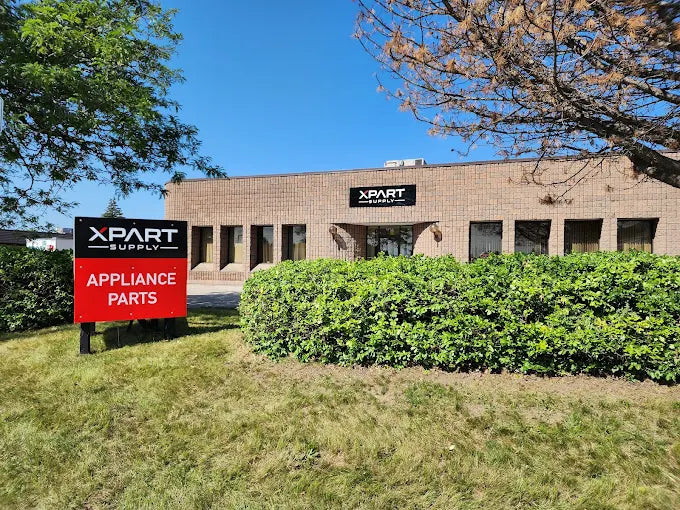
Whether you need a refrigerator water filter, a replacement burner for your stove, or a dryer belt, XPart Supply has you covered. We carry a wide selection of appliance parts in Kitchener-Waterloo for all major brands, including washers, dryers, refrigerators, dishwashers, ovens, and more.

We also offer used appliances and scratch-and-dent appliances in Kitchener-Waterloo, providing affordable, reliable options for customers looking to save money without sacrificing performance. Every appliance is inspected and tested for quality.

For over 30 years, our family-owned business has proudly served the community with quality appliance parts and exceptional service. What started as a small local shop has grown into a trusted name — but we’ve never forgotten our roots. Every customer receives the personal attention and care that only a family-owned business can provide.

When you need appliance parts, used appliances, or scratch-and-dent appliances in Kitchener-Waterloo, trust XPart Supply — Built Tough. Parts That Last.

Years of Experience

Our knowledge has been built over the past 30 years in the business, ensuring expert advice for every appliance need.

Personal Service Guarantee

We treat every customer like family, providing personalized solutions and standing behind our products.

Built on Trust

Our reputation has been built one satisfied customer at a time, creating lasting relationships in our community.

Contact Us Customer Service

Hard to find parts? We've got them or we'll find them!

Call now for expert appliance parts assistance

Business Hours: Mon–Fri 9 AM–5 PM • Sat 9 AM–1 PM

Buy Online Pick Up In-Store

Address
101 Trillium Dr
Kitchener, Ontario N2E 1W8
Phone
Hours
Mon–Fri 9 AM–5 PM • Sat 9 AM–1 PM
Get Directions