DC96-00887C Dryer Thermal Fuse (replaces DC96-00887A, N160)

Sale price
$29.99
Regular price
$38.35
You save
$8.36 (22%)

XPart Number: 9668063854881   |   GTIN: 687152245116

Buying Options: XPart
Condition: New

Product variant with selected options does not exist!

Frequently Bought Together

Shipper / Seller: XPart Supply Ltd.

Professional Repair Time: 30-60 minutes
DIY Repair Time: 45-90 minutes (not recommended for untrained individuals due to electrical safety concerns and need to diagnose root cause)
Difficulty Rating: Moderate (3/5) — Requires unplugging dryer, removing rear or front panel, disconnecting and labeling wires, removing old fuse, diagnosing root cause of overheating, correcting root cause, installing new fuse, reconnecting wires, testing operation

  • Dryer runs but does not heat (blown thermal fuse, most common symptom)
  • Dryer motor runs and drum rotates but no heat produced (thermal fuse blown)
  • Clothes remain damp after full drying cycle (no heat due to blown fuse)
  • Dryer displays error code related to heating system (thermal fuse failure detected)
  • Complete dryer failure (motor won't run if thermal fuse is in series with motor circuit on some models)
  • Dryer overheated and shut off (thermal fuse blew to prevent fire)
  • Dryer heating intermittently (loose thermal fuse connections)
  • Burning smell from dryer before failure (overheating condition that caused fuse to blow)

Thermal Fuse, Thermal Cut-Off, High-Limit Thermostat, Safety Fuse, Overheat Protection Device, Thermal Limiter

DC96-00887C, DC96-00887A, N160, AP4201894, PS4204771, 1185515, 35001193, AH203848

Samsung

Fits Models: (Ctrl+F and Enter Your Model Number)

DV42H5000EW/A3, DV42H5000EW/A3-00, DV42H5000EW/A3-01, DV42H5000GW/A3, DV42H5000GW/A3-00, DV42H5000GW/A3-01, DV42H5200EF/A3, DV42H5200EF/A3-00, DV42H5200EF/A3-01, DV42H5200EP/A3, DV42H5200EP/A3-00, DV42H5200EP/A3-01, DV42H5200EW/A3, DV42H5200EW/A3-00, DV42H5200EW/A3-01, DV42H5400EF/A3, DV42H5400EF/A3-00, DV42H5400EF/A3-01, DV42H5400EP/A3, DV42H5400EP/A3-00, DV42H5400EP/A3-01, DV42H5400EW/A3, DV42H5400EW/A3-00, DV42H5400EW/A3-01, DV42H5400GW/A3, DV42H5400GW/A3-00, DV42H5400GW/A3-01, DV45H7000EW/A2, DV45H7000EW/A2-00, DV45H7000EW/A2-01, DV45H7000GW/A2, DV45H7000GW/A2-00, DV45H7000GW/A2-01, DV48H7400EW/A2, DV48H7400EW/A2-00, DV48H7400EW/A2-01, DV48H7400GW/A2, DV48H7400GW/A2-00, DV48H7400GW/A2-01, DV50F9A6EVW/A2, DV50F9A6EVW/A2-00, DV50F9A6EVW/A2-01, DV50F9A8DVP/A2, DV50F9A8DVP/A2-00, DV50F9A8DVP/A2-01, DV50F9A8GVP/A2, DV50F9A8GVP/A2-00, DV50F9A8GVP/A2-01

CRITICAL SAFETY WARNING: This repair involves working with electrical components inside the dryer. Always unplug the dryer from the electrical outlet before beginning work to prevent electrical shock. If uncomfortable with this repair or unfamiliar with electrical safety procedures, hire a qualified appliance technician. IMPORTANT: Always diagnose and correct the root cause of overheating before replacing the thermal fuse. If the cause is not corrected, the new fuse will blow immediately.TOOLS REQUIRED: Phillips screwdriver, flathead screwdriver, nut driver or socket set (typically 1/4-inch or 5/16-inch), needle-nose pliers, flashlight, work gloves, multimeter (for testing).IMPORTANT: The thermal fuse is a one-time-use safety device. Once blown, it cannot be reset and must be replaced.

  1. Unplug the dryer from the electrical outlet to ensure complete power disconnection. CRITICAL: Never work on the dryer while it's plugged in.
  2. Locate the dryer thermal fuse. On most Samsung dryers, the thermal fuse is located on the side of the heating element housing, inside the dryer cabinet. Access typically requires removing the dryer's rear panel or front panel depending on the model.
  3. Consult your dryer's service manual to determine the correct access method for your specific model. Most Samsung dryers require rear panel removal to access the thermal fuse.
  4. Remove the dryer rear panel (or front panel, depending on model) by locating and removing screws securing the panel to the cabinet. Most dryers require removing 6-10 screws. Caution: The panel may be heavy—have an assistant help if needed.
  5. Carefully pull the panel away from the cabinet to expose the heating element housing and internal components.
  6. Locate the thermal fuse on the side of the heating element housing. The fuse is typically a small rectangular component with a metal bracket and two wire terminals.
  7. Take multiple photos of the thermal fuse location, wire connections, mounting configuration, and component positions before disassembly. CRITICAL: Wire connections must be exact for proper reassembly and safe operation.
  8. Take detailed close-up photos of: all wire connections to the thermal fuse (typically 2 wires), wire colors and routing, mounting screw locations, and fuse orientation.
  9. Test the old thermal fuse (optional, requires multimeter): Set multimeter to measure continuity (ohms). Touch the multimeter probes to the two thermal fuse terminals. If the fuse is good, the multimeter will show continuity (low resistance, typically less than 1 ohm). If the fuse is blown, the multimeter will show no continuity (infinite resistance, open circuit). This confirms the diagnosis.
  10. Disconnect the wire terminals from the thermal fuse by loosening the terminal screws and removing the wires. Caution: Do not pull on the wires—loosen the screws and carefully remove the wire connectors.
  11. Label each wire with tape or markers indicating its terminal position before disconnection. CRITICAL: Incorrect wiring causes dryer malfunction or electrical hazards.
  12. Remove the mounting screw securing the thermal fuse bracket to the heating element housing using a Phillips or flathead screwdriver.
  13. Carefully remove the old thermal fuse from the heating element housing.
  14. Inspect the old thermal fuse for damage indicators: no continuity when tested with multimeter (blown fuse, most common), visible discoloration or burning (overheating), melted or damaged terminals (poor connections), or damaged bracket (physical damage). This confirms the diagnosis.
  15. CRITICAL STEP: Diagnose and correct the root cause of overheating before installing the new thermal fuse. If the cause is not corrected, the new fuse will blow immediately. Common causes include:Clogged lint filter (most common, 60-70% of cases): Remove and clean lint filter thoroughlyBlocked dryer vent hose: Disconnect vent hose and inspect for blockages, lint buildup, or kinksKinked or crushed vent hose: Straighten or replace vent hoseBlocked exterior vent: Inspect exterior vent for blockages (bird nests, lint buildup, etc.)Faulty cycling thermostat: Test thermostat for proper operation and replace if faultyFaulty high-limit thermostat: Test thermostat for proper operation and replace if faultyPoor dryer ventilation: Ensure dryer is not installed in confined space with inadequate airflow
  16. Clean the lint filter thoroughly by removing lint and washing with soap and water if necessary.
  17. Inspect and clean the dryer vent hose by disconnecting it and removing any lint buildup or blockages.
  18. Inspect the exterior vent for blockages and clear if necessary.
  19. Test the cycling thermostat and high-limit thermostat (if equipped) for proper operation using a multimeter. Replace if faulty.
  20. Clean the heating element housing area where the thermal fuse mounts, removing any lint, debris, or residue.
  21. Unpack the new DC96-00887C thermal fuse from its packaging.
  22. Compare the new thermal fuse to the old one to verify dimensions, terminal configuration, bracket design, and overall design match.
  23. Inspect the new thermal fuse for any shipping damage before installation. The housing should be intact, terminals should be clean and undamaged, and the bracket should be straight and undamaged.
  24. Position the new thermal fuse on the heating element housing, aligning the mounting hole with the mounting screw hole.
  25. Install the mounting screw to secure the thermal fuse bracket to the heating element housing. Tighten firmly but not excessively. Caution: Over-tightening can damage the fuse or housing.
  26. Connect the wire terminals to the new thermal fuse according to your detailed photos and labels. Place each wire connector under the terminal screw and tighten firmly. CRITICAL: Loose connections cause electrical problems and potential fire hazard.
  27. Verify all wire connections are secure by gently tugging on each wire—should not pull off.
  28. Inspect all wire connections for proper seating and no exposed terminals.
  29. Verify the thermal fuse is securely mounted with no excessive play or movement.
  30. Reinstall the dryer rear panel (or front panel, depending on model) by positioning it and securing with screws.
  31. Restore electrical power by plugging in the dryer.
  32. Run a test cycle to verify proper thermal fuse operation:Set the dryer to a short drying cycle with a small load of towelsMonitor the cycle—the dryer should heat normallyAfter 5-10 minutes, verify the dryer is producing heatComplete the full cycle to verify consistent heating
  33. Check for any unusual sounds or smells during the test cycle. Should not hear unusual sounds or smell burning.
  34. Monitor the dryer for several cycles to verify consistent heating and no overheating.
  35. If the dryer heats properly with consistent temperature and no overheating, the repair is complete.

Safety Notes: Always unplug the dryer before working on electrical components. Always diagnose and correct the root cause of overheating before replacing the thermal fuse—if the cause is not corrected, the new fuse will blow immediately. Label all wires before disconnection to ensure correct reassembly. Connect wires firmly to terminals—loose connections cause fire hazard. Test operation thoroughly before considering the repair complete. This repair requires electrical knowledge and typically takes 30-60 minutes for a qualified technician. If uncomfortable working with electrical components, hire a professional appliance technician.

  1. The DC96-00887C is a 320°F thermal fuse—always verify your dryer model uses this exact temperature rating before ordering. Samsung manufactures dryers with different thermal fuse temperature ratings (typically 280°F, 320°F, or 350°F depending on model). Installing the wrong temperature rating causes improper overheat protection—too low a rating causes the fuse to blow during normal operation, too high a rating provides inadequate protection. Always verify your dryer model's thermal fuse temperature rating before ordering. The DC96-00887C is rated at 320°F. If your dryer requires a different temperature rating, order the correct fuse.
  2. Before replacing the thermal fuse, always diagnose and correct the root cause of overheating—if the cause is not corrected, the new fuse will blow immediately. The thermal fuse is a safety device that protects the dryer from overheating. It should only blow if the dryer is overheating due to restricted airflow, thermostat failure, or other problems. If you simply replace the fuse without correcting the root cause, the new fuse will blow within the first few drying cycles. Common causes of overheating include: clogged lint filter (most common, 60-70% of cases), blocked or kinked vent hose, faulty cycling thermostat, faulty high-limit thermostat, or poor dryer ventilation. Always inspect and correct these issues before replacing the fuse.
  3. A clogged lint filter is the most common cause of thermal fuse failure, accounting for 60-70% of cases—always clean the lint filter before replacing the thermal fuse. When the lint filter is clogged, airflow through the dryer is restricted, causing heat to build up inside the dryer cabinet. This heat buildup causes the thermal fuse to blow. Before replacing the fuse, remove and clean the lint filter thoroughly. Wash the filter with soap and water if necessary. If the filter is damaged or torn, replace it. Instruct customers to clean the lint filter after every load to prevent future overheating.
  4. A blocked or kinked dryer vent hose is the second most common cause of thermal fuse failure—always inspect and clean the vent hose before replacing the thermal fuse. When the vent hose is blocked with lint or kinked, exhaust air cannot escape the dryer, causing heat to build up inside the cabinet. This heat buildup causes the thermal fuse to blow. Before replacing the fuse, disconnect the vent hose and inspect for blockages, lint buildup, or kinks. Remove any blockages and straighten any kinks. If the hose is damaged or crushed, replace it. Verify the exterior vent is not blocked—clear any blockages found.
  5. The thermal fuse should be tested for continuity before replacement to confirm it has blown. Set a multimeter to measure continuity (ohms). Touch the multimeter probes to the two thermal fuse terminals. If the fuse is good, the multimeter will show continuity (low resistance, typically less than 1 ohm). If the fuse is blown, the multimeter will show no continuity (infinite resistance, open circuit). This confirms the diagnosis. If the fuse shows continuity but the dryer still doesn't heat, the problem may be elsewhere (thermostat, heating element, or wiring).
  6. The thermal fuse is a one-time-use safety device that cannot be reset—once blown, it must be replaced. Unlike a circuit breaker that can be reset, a thermal fuse can only be used once. When the fusible link inside the fuse melts due to overheating, the circuit opens and power is cut off. The fuse cannot be reset or reused. It must be replaced with a new fuse. This one-time-use design ensures that if the fuse blows, the root cause of overheating must be diagnosed and corrected before the dryer can operate again.
  7. If the new thermal fuse blows immediately after replacement (within the first few drying cycles), the root cause of overheating was not corrected. The thermal fuse is a safety device that should only blow if the dryer is overheating. If the fuse blows immediately after replacement, it indicates that the root cause of overheating (clogged lint filter, blocked vent, faulty thermostat, etc.) was not diagnosed and corrected. Before replacing the fuse again, thoroughly diagnose and correct the root cause. Common causes include: clogged lint filter, blocked or kinked vent hose, faulty cycling thermostat, faulty high-limit thermostat, poor dryer ventilation, or defective heating element.
  8. Loose wire connections at the thermal fuse terminals cause electrical problems and potential fire hazard. If a wire connection is loose, the electrical resistance at the connection increases, causing heat buildup and arcing. Always connect wires firmly to the thermal fuse terminals, tightening the terminal screws securely. After connection, gently tug each wire to verify it's secure. If the old fuse terminals show signs of burning or corrosion, clean them thoroughly or replace the wiring harness.
  9. The thermal fuse housing material (ceramic or porcelain) provides electrical insulation and heat resistance—a cracked or damaged housing causes electrical hazards. The housing protects the fusible link from contact with the dryer cabinet or other conductive surfaces. If the housing is cracked or damaged, the fuse may not function properly or may cause a short circuit. Always inspect the housing for cracks or damage before installation. If the housing is damaged, the fuse should not be installed.
  10. Proper thermal fuse mounting is critical for accurate temperature sensing—the fuse must be mounted directly on the heating element housing to sense the heating element temperature. The thermal fuse is positioned to sense the temperature of the heating element and surrounding air. If the fuse is not mounted properly or is positioned away from the heating element, it cannot accurately sense the temperature and may not blow when the dryer overheats. Always mount the fuse directly on the heating element housing according to the manufacturer's specifications.
  11. After replacing the thermal fuse, monitor the first several drying cycles carefully to verify proper operation and safety. The dryer should heat normally and consistently. If the fuse blows again during the first few cycles, the root cause of overheating was not corrected. If the dryer does not heat at all, verify the new fuse is installed correctly and all wire connections are secure. Do not leave the dryer unattended during the first few uses after fuse replacement.
  12. The thermal fuse is a critical safety component that protects the dryer from fire—never bypass or disable the thermal fuse, even if it blows repeatedly. If the thermal fuse blows repeatedly, it indicates a serious problem with the dryer (restricted airflow, thermostat failure, etc.) that must be diagnosed and corrected. Never attempt to bypass the fuse or install a higher-temperature fuse to prevent blowing—this creates a fire hazard. Always diagnose and correct the root cause of overheating before replacing the fuse.


Whirlpool refrigerator replacement parts, Frigidaire refrigerator replacement parts, GE refrigerator replacement parts, Kenmore refrigerator replacement parts, KitchenAid refrigerator replacement parts, LG refrigerator replacement parts, Maytag refrigerator replacement parts, Whirlpool refrigerator drawers and glides replacement, Whirlpool dishwasher replacement parts, GE dishwasher replacement parts, KitchenAid dishwasher replacement parts, Maytag dishwasher replacement parts, Frigidaire dishwasher replacement parts, Kenmore dishwasher replacement parts, Whirlpool washer replacement parts, GE washer replacement parts, Maytag washer replacement parts, Kenmore washer replacement parts, LG washer replacement parts, Whirlpool dryer replacement parts, GE dryer replacement parts, Maytag dryer replacement parts, Kenmore dryer replacement parts, LG dryer replacement parts, Whirlpool range replacement parts, GE range replacement parts, Whirlpool stove replacement parts, GE stove replacement parts, GE oven replacement parts, GE microwave replacement parts, buy Whirlpool refrigerator parts online, buy GE dishwasher parts online, replacement Kenmore washer parts for sale, buy Maytag dryer parts, LG washer replacement parts online, KitchenAid refrigerator parts for sale, Whirlpool stove and range replacement parts

DC96-00887C Dryer Thermal Fuse: Essential Safety for Your Home Appliances

The DC96-00887C is a genuine OEM Samsung dryer thermal fuse designed for Samsung electric and gas dryers. This critical safety component protects the dryer from overheating by cutting off electrical power to the heating element when the dryer temperature exceeds safe limits. The thermal fuse is essential for proper dryer safety—without a functioning thermal fuse, the dryer can overheat, potentially causing fire or damage to internal components. The DC96-00887C is rated at 320 degrees Fahrenheit and is designed to blow (open circuit) when the dryer temperature reaches this threshold, immediately cutting power to the heating element and preventing further temperature increase. The thermal fuse is a one-time-use safety device that cannot be reset—once blown, it must be replaced. The dryer thermal fuse is a complete assembly that includes all components necessary for installation. The dryer thermal fuse is constructed from premium materials including a ceramic or porcelain housing (provides electrical insulation and heat resistance), metal fusible link (melts at 320°F to open the circuit), metal mounting bracket (secures fuse to heating element housing), wire terminals with screw connections (provide secure electrical connection to the dryer wiring harness), and integrated thermal protection (designed to fail open, cutting power when temperature exceeds 320°F). The DC96-00887C features a compact design that mounts directly on the side of the heating element housing, positioned to sense the temperature of the heating element and surrounding air. When the dryer operates normally, the thermal fuse remains closed (conducting electricity), allowing power to flow to the heating element. When the dryer overheats due to restricted airflow, thermostat failure, or other conditions, the temperature rises above 320°F, causing the fusible link inside the thermal fuse to melt and open the circuit, immediately cutting power to the heating element. The DC96-00887C replaces older part numbers including DC96-00887A, N160, AP4201894, PS4204771, 1185515, 35001193, AH203848, and similar thermal fuses and features improved fusible link design for more accurate temperature sensing and faster response time, enhanced ceramic housing for superior heat resistance and durability, upgraded mounting bracket design for easier installation and better stability, improved terminal design for better electrical conductivity and lower resistance, and optimized temperature rating (320°F) for reliable overheat protection across all compatible dryer models. The dryer thermal fuse operates through thermal protection: during normal dryer operation, the thermal fuse remains closed, allowing electrical current to flow through it to the heating element; the heating element generates heat to dry clothes; the dryer thermostat cycles the heating element on/off to maintain the selected drying temperature; if the dryer overheats due to restricted airflow (clogged lint filter, blocked vent, kinked vent hose), thermostat failure, or other conditions, the temperature inside the heating element housing rises above 320°F; the fusible link inside the thermal fuse melts, opening the circuit; electrical power to the heating element is immediately cut off; the dryer continues to run (motor and drum rotate), but the heating element no longer produces heat; the dryer will not heat until the thermal fuse is replaced and the root cause of overheating is corrected. Common failure causes include restricted airflow from clogged lint filter (most common cause, accounts for 60-70% of thermal fuse failures), blocked or kinked dryer vent hose causing heat buildup, faulty cycling thermostat causing heating element to stay on continuously, faulty high-limit thermostat not cutting power before thermal fuse temperature is reached, defective heating element cycling on/off erratically, poor dryer ventilation or installation in confined space, manufacturing defects, or normal wear from age and repeated heating cycles (typical fuse lifespan 8-12 years with proper maintenance). When the dryer thermal fuse fails, symptoms include dryer runs but does not heat (most common symptom), dryer motor runs and drum rotates but no heat produced, clothes remain damp after full drying cycle, dryer displays error code related to heating system, or complete dryer failure (motor won't run if thermal fuse is in series with motor circuit on some models). The DC96-00887C is a direct replacement thermal fuse that provides reliable overheat protection for safe dryer operation and long service life. IMPORTANT: The thermal fuse is a one-time-use safety device. Once blown, it cannot be reset and must be replaced. CRITICAL: Always diagnose and correct the root cause of overheating before replacing the thermal fuse. If the cause is not corrected, the new fuse will blow immediately. Common causes include clogged lint filter, blocked vent, kinked vent hose, or faulty thermostat.
SAFETY NOTE: Always unplug the dryer before working on electrical components to prevent electrical shock. Dryer electrical repairs should only be performed by qualified technicians familiar with appliance safety procedures.

Part number DC96-00887C replaces part number DC96-00887A, 2074129, WP35001193, N160

Supported Models:

DV48H7400EW/A2, DV56H9000EW/A2, DV45H7000EW/A2, DV48J7700EW/A2, DV48J7770EP/A2, DV40J3000EW/A2, DV45K6500EV/A3, DVE52M8650W/A3, DVE54M8750V/A3, DV50K7500EV/A3, DV45H7000EW/AC, DV42H5000EW/A3, DV42H5200EP/A3, DV42H5000EW/AC, DV42H5200EW/AC, DV56H9000EP/AC, DV42H5200EW/A3, DV56H9100EG/A2, DV56H9100EG/AC, DV42H5200EP/AC, DV56H9100EW/A2, DV50K7500EW/A3, DV45K6200EW/A3, DV45H6300EW/AC, DV45H6300EW/A3

Past Part Numbers (Superseded)

Thermal Fuse, Thermal Cut-Off, High-Limit Thermostat, Safety Fuse, Overheat Protection Device, Thermal Limiter

DC96-00887C, DC96-00887A, N160, AP4201894, PS4204771, 1185515, 35001193, AH203848

Compatible with the following models

Samsung

DV42H5000EW/A3, DV42H5000EW/A3-00, DV42H5000EW/A3-01, DV42H5000GW/A3, DV42H5000GW/A3-00, DV42H5000GW/A3-01, DV42H5200EF/A3, DV42H5200EF/A3-00, DV42H5200EF/A3-01, DV42H5200EP/A3, DV42H5200EP/A3-00, DV42H5200EP/A3-01, DV42H5200EW/A3, DV42H5200EW/A3-00, DV42H5200EW/A3-01, DV42H5400EF/A3, DV42H5400EF/A3-00, DV42H5400EF/A3-01, DV42H5400EP/A3, DV42H5400EP/A3-00, DV42H5400EP/A3-01, DV42H5400EW/A3, DV42H5400EW/A3-00, DV42H5400EW/A3-01, DV42H5400GW/A3, DV42H5400GW/A3-00, DV42H5400GW/A3-01, DV45H7000EW/A2, DV45H7000EW/A2-00, DV45H7000EW/A2-01, DV45H7000GW/A2, DV45H7000GW/A2-00, DV45H7000GW/A2-01, DV48H7400EW/A2, DV48H7400EW/A2-00, DV48H7400EW/A2-01, DV48H7400GW/A2, DV48H7400GW/A2-00, DV48H7400GW/A2-01, DV50F9A6EVW/A2, DV50F9A6EVW/A2-00, DV50F9A6EVW/A2-01, DV50F9A8DVP/A2, DV50F9A8DVP/A2-00, DV50F9A8DVP/A2-01, DV50F9A8GVP/A2, DV50F9A8GVP/A2-00, DV50F9A8GVP/A2-01

BUILT TOUGH · PARTS THAT LAST · GUARANTEED

Trusted Family Business

30 years of Excellence in Appliance Parts

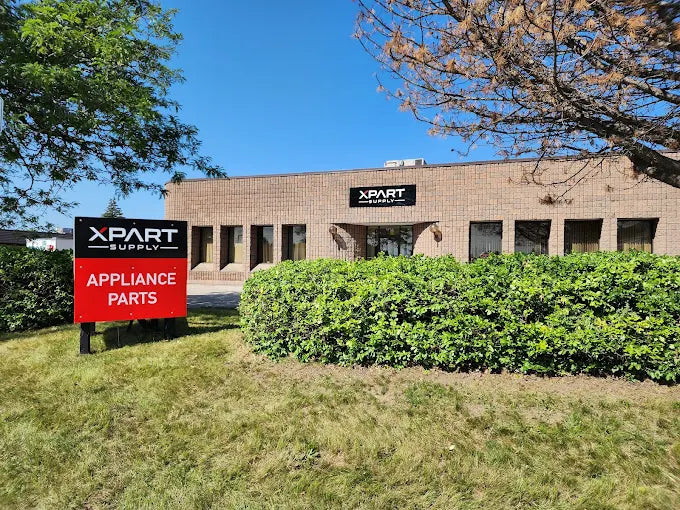
Whether you need a refrigerator water filter, a replacement burner for your stove, or a dryer belt, XPart Supply has you covered. We carry a wide selection of appliance parts in Kitchener-Waterloo for all major brands, including washers, dryers, refrigerators, dishwashers, ovens, and more.

We also offer used appliances and scratch-and-dent appliances in Kitchener-Waterloo, providing affordable, reliable options for customers looking to save money without sacrificing performance. Every appliance is inspected and tested for quality.

For over 30 years, our family-owned business has proudly served the community with quality appliance parts and exceptional service. What started as a small local shop has grown into a trusted name — but we’ve never forgotten our roots. Every customer receives the personal attention and care that only a family-owned business can provide.

When you need appliance parts, used appliances, or scratch-and-dent appliances in Kitchener-Waterloo, trust XPart Supply — Built Tough. Parts That Last.

Years of Experience

Our knowledge has been built over the past 30 years in the business, ensuring expert advice for every appliance need.

Personal Service Guarantee

We treat every customer like family, providing personalized solutions and standing behind our products.

Built on Trust

Our reputation has been built one satisfied customer at a time, creating lasting relationships in our community.

Contact Us Customer Service

Hard to find parts? We've got them or we'll find them!

Call now for expert appliance parts assistance

Business Hours: Mon–Fri 9 AM–5 PM • Sat 9 AM–1 PM

Buy Online Pick Up In-Store

Address
101 Trillium Dr
Kitchener, Ontario N2R 1J8
Phone
Hours
Mon–Fri 9 AM–5 PM • Sat 9 AM–1 PM
Get Directions