


WASHER WILL NOT START BECAUSE THE CONTROL DOES NOT DETECT A LOCKED LID
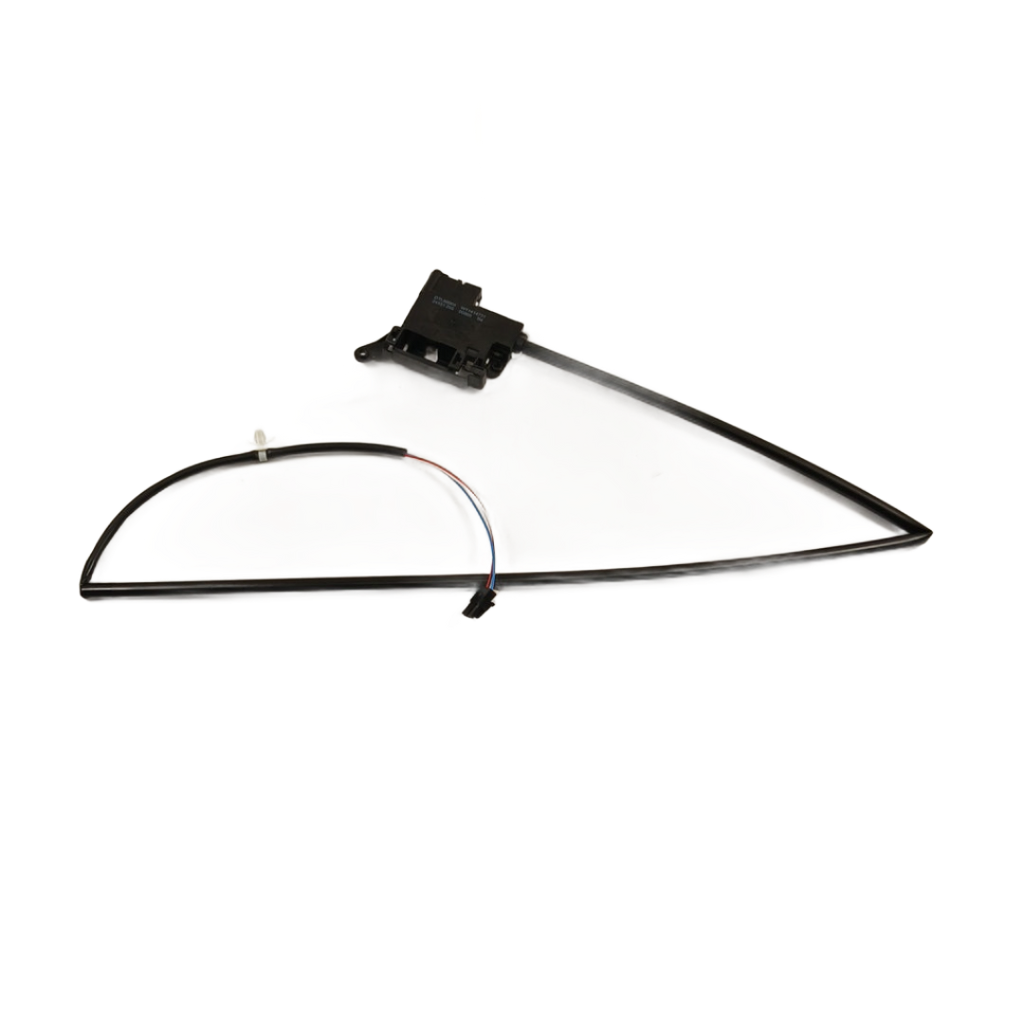
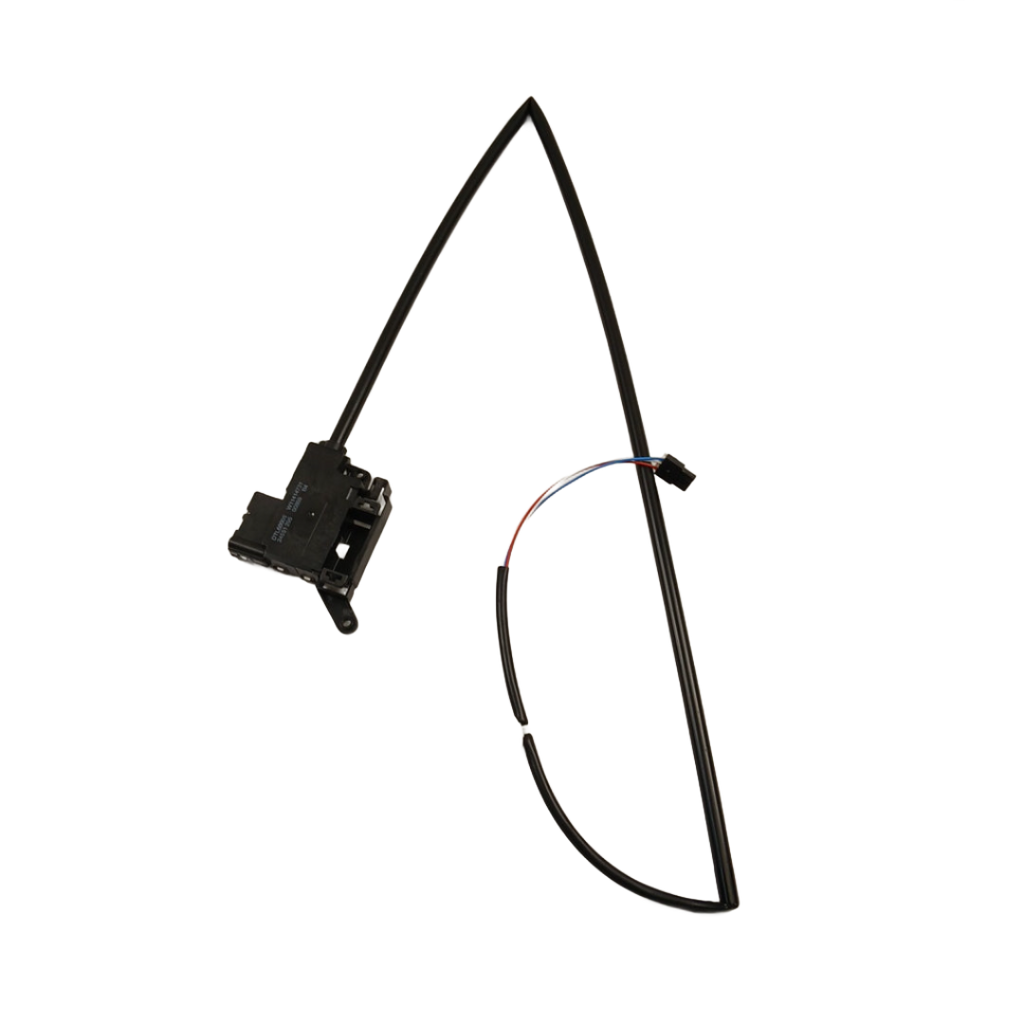
Whirlpool Washer Lid Lock Assembly W11513248, Fixes Washer will not start because the control does not detect a locked lid
Genuine Whirlpool OEM lid-lock assembly for select top-load washers. It secures the washer lid during operation and provides the control with lid-lock status.
Part W11513248Replaces W11414731Whirlpool
Guaranteed to Fit — or your money back.
Confirm your full appliance model number before ordering.
Confirm your full appliance model number before ordering.
Is This the Right Part?
Part NumberW11513248
ReplacesW11414731
ManufacturerWhirlpool
Appliance TypeWasher
Part TypeWasher Lid Lock Assembly
✅ Cross Reference Information
Current Part NumberW11513248
Verified Previous OEM NumbersW11414731
Common Symptoms
- Washer will not start with the lid closed
- Lid will not lock or remain locked
- Washer stops mid-cycle when lid-lock status is not detected
- Washer may not proceed to agitation or spin when the lid-lock signal is missing
Check Before Replacing
- Confirm the lid closes fully and the lid strike aligns with the lock opening.
- Inspect the lid-lock assembly, connector, and wiring for visible damage or loose connections with power disconnected.
- Use the appliance's model-specific service information to test the lid-lock circuit; do not replace the part based only on a generic no-start symptom.
Pro Tip
Verify the complete washer model number before ordering because W11513248 fits select models only.
Part Details
Part NumberW11513248
Part TypeWasher Lid Lock Assembly
ManufacturerWhirlpool
Appliance TypeWasher
Primary FunctionLocks the washer lid during operation so the washer can safely run its cycle.
Installation Notes
- Disconnect electrical power before servicing.
- Shut off the washer water supply before repair.
- Confirm the replacement connector and mounting arrangement match the original before restoring power.
- Follow the washer's model-specific service instructions and verify the lid-lock function after installation.
Verified Compatible Models
CAW45125LW0, CAW45125LW1, CWW4512RW0, MTW4200SW0, MTW4205SW0, MVW4505MW0, MVW5035MW0, MVW5430MW0, WTW5010LW0, WTW5010LW1, WTW5015LW0, WTW5015LW1, WTW5020SW0, WTW5025SW0, WTW5057LW1
Fitment reminder: Match the complete appliance model number, including suffix or revision where applicable, before ordering.
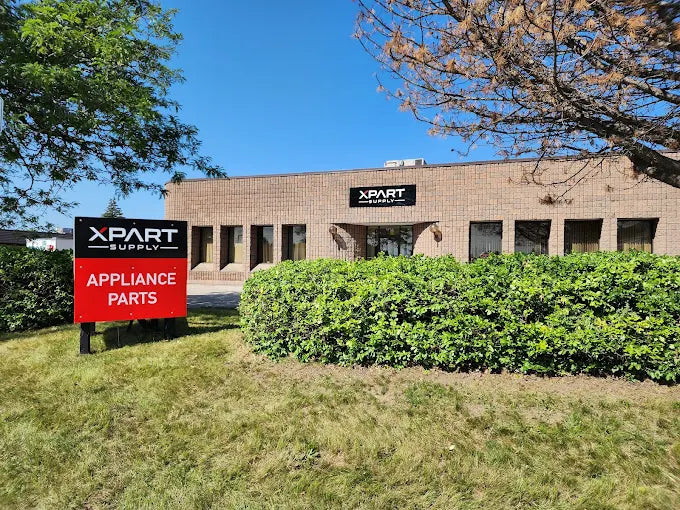
Buy Online Pick Up In-Store
Address
101 Trillium Dr
Kitchener, Ontario N2E 1W8
Kitchener, Ontario N2E 1W8
Phone
Hours
Mon–Fri 9 AM–5 PM • Sat 9 AM–1 PM