SURFACE ELEMENT WILL NOT HEAT
Whirlpool Range Surface Element Control Switch WP9750639, Fixes Surface element will not heat
Genuine OEM surface element control switch, also called an infinite burner switch, for electric ranges.
Part WP9750639Replaces 9750639Whirlpool
Guaranteed to Fit — or your money back.
Confirm your full appliance model number before ordering.
Confirm your full appliance model number before ordering.
Is This the Right Part?
Part NumberWP9750639
Replaces9750639
ManufacturerWhirlpool
Appliance TypeRange
Part TypeRange Surface Element Control Switch
✅ Cross Reference Information
Current Part NumberWP9750639
Replaces9750639
Common Symptoms
- Surface element does not heat
- Surface element does not turn on
- Surface element does not respond properly to temperature adjustments
Check Before Replacing
- With power disconnected, compare the installed switch's part number with WP9750639 or its documented predecessor 9750639.
- Confirm the appliance model number against the documented compatibility list before ordering.
- If the element does not heat, verify that the failure is not caused by the element, wiring, or another control component; the switch symptom alone is not conclusive.
Pro Tip
Verify the complete appliance model number because similar-looking surface switches may have different electrical ratings or terminal arrangements.
Part Details
Part NumberWP9750639
Part TypeRange Surface Element Control Switch
ManufacturerWhirlpool
Appliance TypeRange
Primary FunctionTurns a range surface element on and off and regulates the element's heat level.
Installation Notes
- Disconnect electrical power to the range at the plug or circuit breaker before installation.
- Use the appliance model number and the original switch markings to confirm fit before replacing the part.
- Follow the appliance's service documentation for terminal placement and installation procedure.
Verified Compatible Models
GR450LXHB0, GR450LXHB1, GR450LXHB2, GR450LXHQ0, GR450LXHQ1, GR450LXHQ2, GR450LXHT2, GR450LXLB0, GR450LXLQ0, GR450LXLS0, GR450LXLT0, GR556LRKB0, GR556LRKB1, GR556LRKC0
Fitment reminder: Match the complete appliance model number, including suffix or revision where applicable, before ordering.
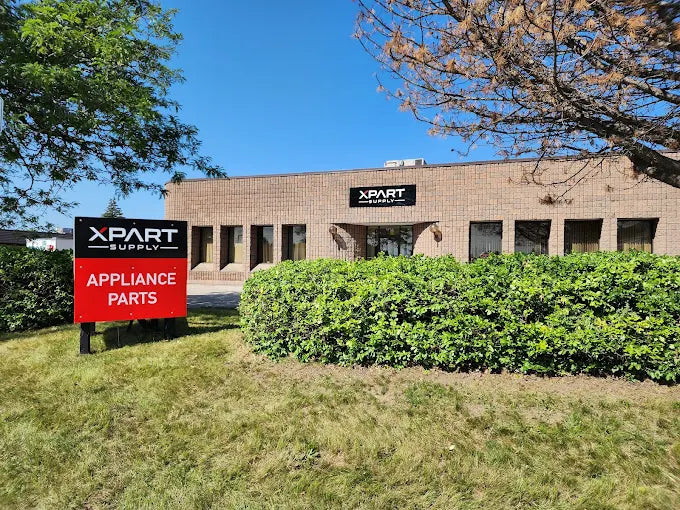
Buy Online Pick Up In-Store
Address
101 Trillium Dr
Kitchener, Ontario N2E 1W8
Kitchener, Ontario N2E 1W8
Phone
Hours
Mon–Fri 9 AM–5 PM • Sat 9 AM–1 PM